
Nigeria’s House of Representatives has suspended consideration of its own State Police Bill and resolved to adopt the framework proposed by President Bola Tinubu as the basis for creating state police across Nigeria.
The decision, reached during plenary on Tuesday, July 11, 2026, is aimed at harmonising legislative efforts and avoiding multiple bills on the same subject as the National Assembly pushes ahead with one of the country’s most significant security reforms.
The House had earlier passed its version of the State Police Bill in June and even constituted a conference committee to reconcile differences with the Senate’s version. However, lawmakers agreed to rescind that decision after President Tinubu transmitted a fresh Executive Bill proposing a constitutional framework for the creation of state police services across Nigeria.
Tinubu’s proposal sets out the structure for state police commands, including their powers, funding, operational guidelines and the relationship between state police formations and federal security agencies.
The move is widely seen as a major step toward decentralising policing in response to rising insecurity across the country, while maintaining constitutional safeguards and federal oversight.
The proposal will undergo further legislative scrutiny before any constitutional amendments required for its implementation are considered by both chambers of the National Assembly.
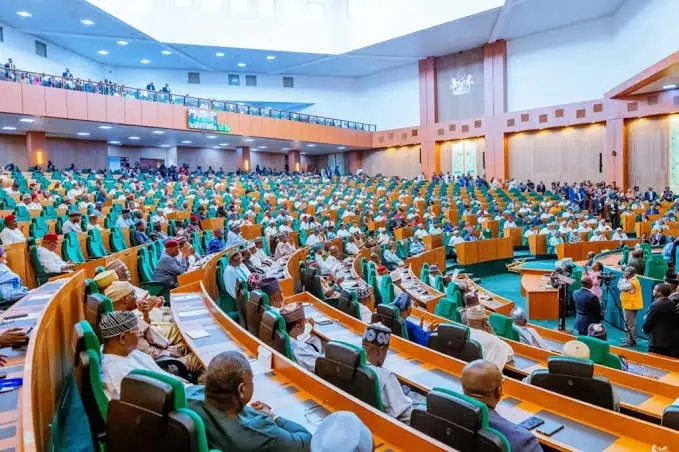
Despite withdrawing its own bill, lawmakers stressed that the move does not mean they have abandoned support for state police. Rather, they say it is intended to ensure a unified approach to one of Nigeria’s most significant security reforms in recent years.
If eventually passed by the National Assembly and assented to by the President, the constitutional amendment could pave the way for individual states to establish their own police services under a nationally defined legal framework—an issue that has generated intense debate over security, federalism, and the balance of power between the federal and state governments.