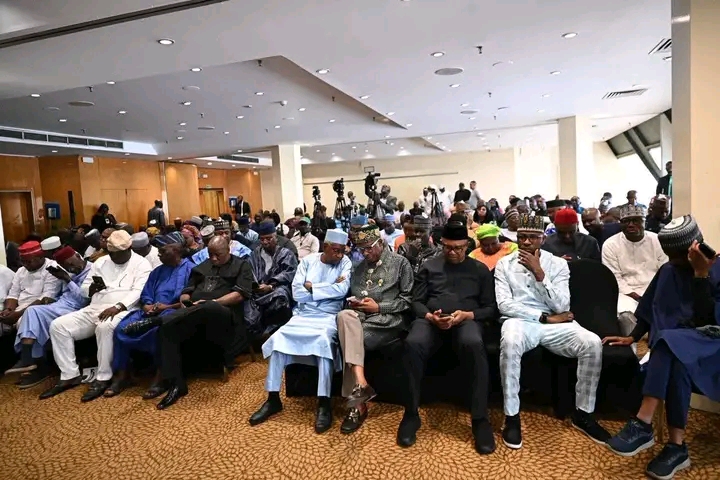
Opposition political leaders on Thursday urged Nigeria’s legislature to immediately reopen the recently enacted Electoral Act 2026, arguing that key provisions could weaken electoral transparency ahead of the 2027 general elections.
The position was announced at a press briefing in Abuja by leaders of the African Democratic Congress and the New Nigeria Peoples Party, who spoke on behalf of a broader opposition coalition. The appeal was directed at the National Assembly, which passed the law earlier this month.
The Electoral Act 2026 was approved by lawmakers and signed into law by President Bola Tinubu on February 18, replacing the Electoral Act 2022. Among its changes, the new law limits political parties to two nomination methods—direct primaries and consensus—removing indirect primaries, which had previously been permitted. It also shortens campaign and primary elections timelines and adjusts the release of election funding to the Independent National Electoral Commission, reducing the advance funding window from twelve months to six.
Speaking for the opposition, NNPP National Chairman Ajuji Ahmed described the law as “anti-democratic” and warned that its implementation could undermine what he called the sanctity of the ballot. He alleged that the speed with which the legislation was enacted raised concerns about legislative intent, particularly in the context of the 2027 elections.
A central focus of the opposition’s criticism is a proviso in Section 60(3) of the Act, which grants presiding officers discretionary authority to delay electronic transmission of polling unit results in cases of network challenges. Opposition leaders argue that the clause could weaken the purpose of electronic result transmission and open room for disputes over timing and process.
In support of their position, the opposition referenced past public statements by INEC officials asserting that the Bimodal Voter Accreditation System operates offline and transmits data once network connectivity is restored. They also cited telecommunications coverage data published by the Nigerian Communications Commission, which indicates widespread national network availability sufficient for basic data transmission.
On party primaries, the opposition contends that restricting nomination methods interferes with internal party affairs. Ahmed stated that indirect primaries remain a legitimate and orderly mechanism for candidate selection and argued that legislation should not prescribe how parties choose their candidates.
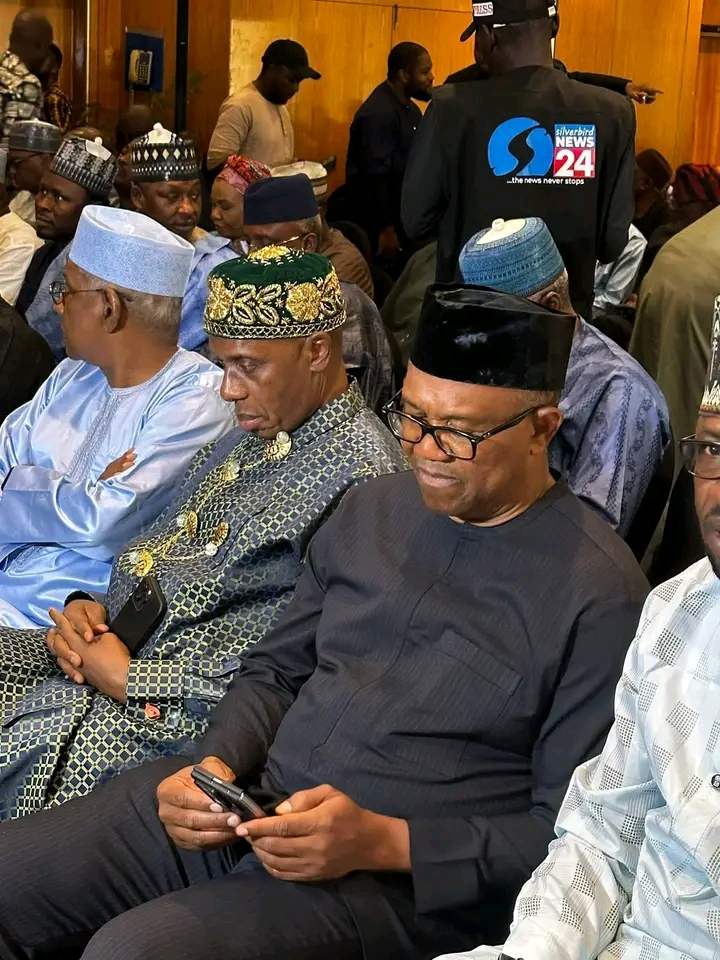
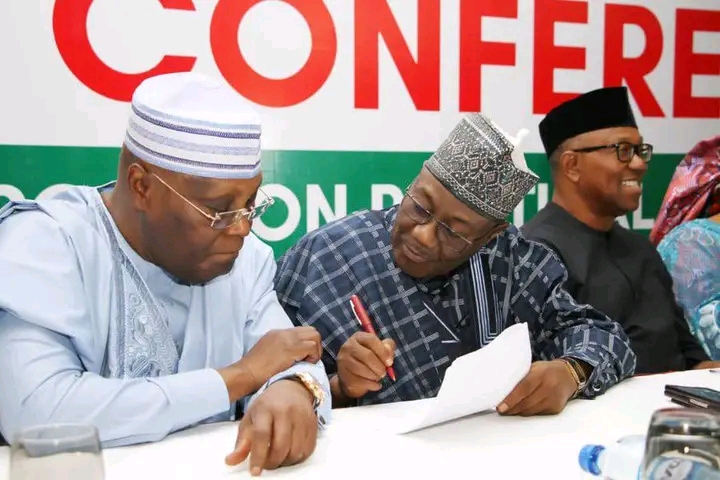
The press conference drew attendance from several prominent political figures, including former Vice President Atiku Abubakar, Labour Party’s 2023 presidential candidate Peter Obi, ADC National Chairman David Mark, former Osun State Governor Rauf Aregbesola, and former Rivers State Governor Rotimi Amaechi. Other attendees included senior party officials and former lawmakers.
The opposition coalition formally called on lawmakers to begin a fresh amendment process to remove what it described as objectionable provisions, insisting that any electoral framework should reflect broad public confidence and constitutional principles.
The federal government and the ruling party have not issued an official response to the opposition’s claims as of press time.