The Minister of Works, Engr. David Umahi, has directed the China Civil Engineering Construction Corporation (CCECC) to immediately repair damaged sections of the Benin-Asaba Highway in Delta State within 14 days.
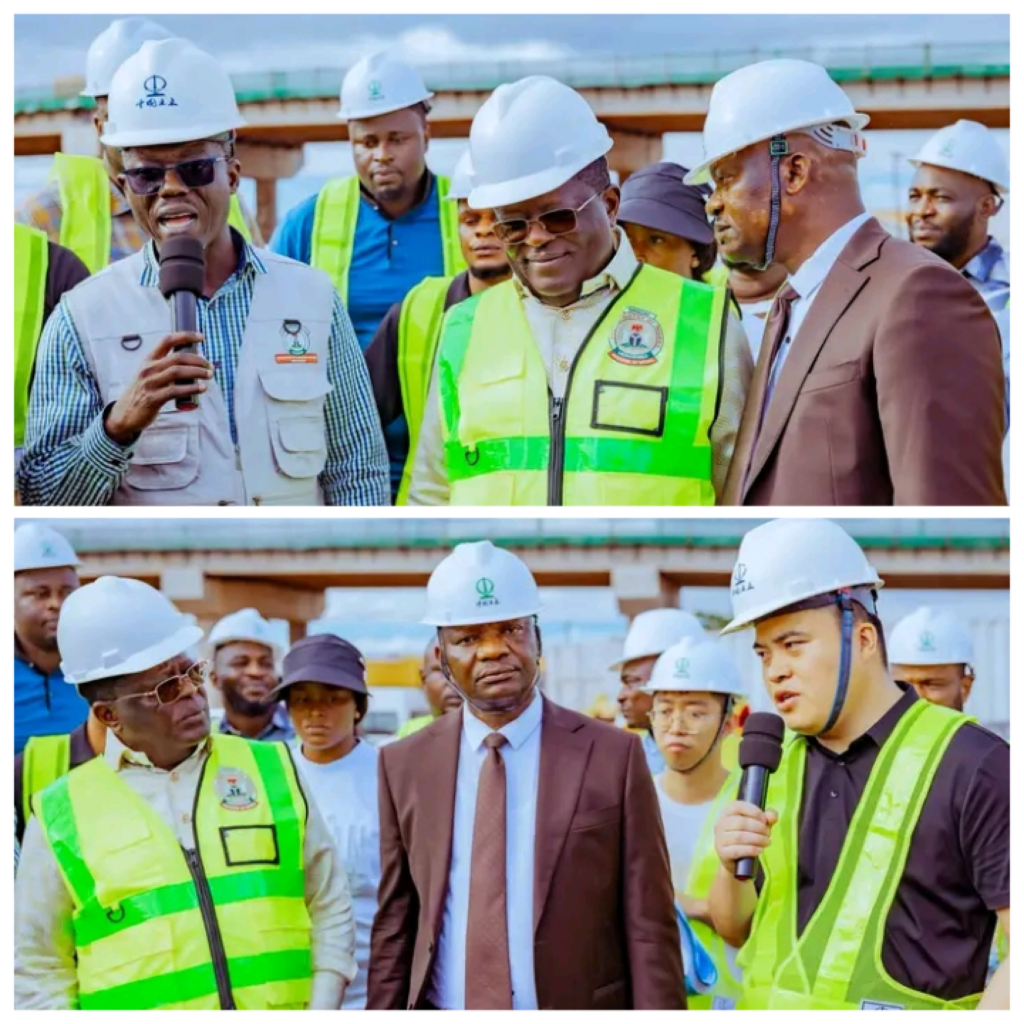
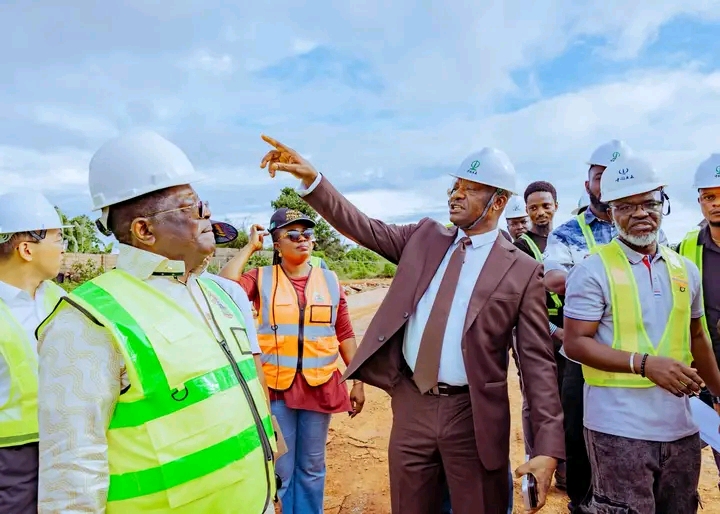
Umahi issued the directive on Thursday, August 27, 2026, during an inspection of the Asaba axis of the access road to the Second Niger Bridge, expressing concern over the condition of some sections, particularly the Ubulu-Okiti and Onicha-Ugbo sections, as well as the hardship being experienced by motorists.
He warned that the Federal Government would not allow motorists to continue suffering because of ongoing construction activities.
The minister specifically directed CCECC to rehabilitate service lanes leading to the Second Niger Bridge access road where asphalt had been removed, insisting that construction activities must not be carried out at the expense of the welfare of Nigerians.
He said: “I am giving you 14 days to fix the access, the service lane you removed the asphalt. You have to fix it immediately, whether you are paid or not. It is my right to insist that you fix it to lessen the problem of the people.”
Umahi also directed CCECC to urgently intervene on sections between Chainage 103 and 105, as well as Chainage 106 and 107, which he said were in poor condition and affecting the movement of construction materials and motorists.
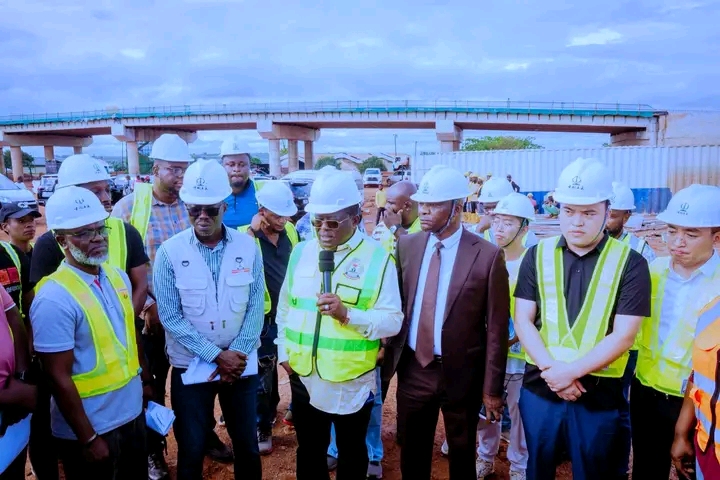
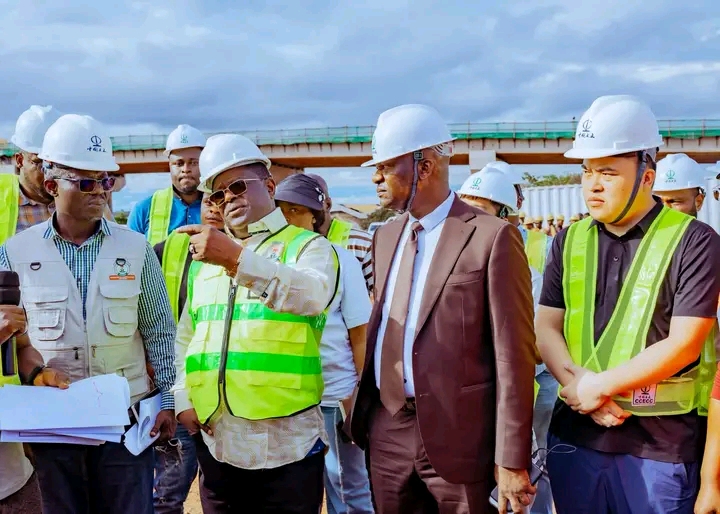
According to him, the affected sections, covering about four kilometres of dual carriageway, should be repaired under an emergency arrangement to ease the suffering of road users.
The minister said the Federal Ministry of Works had the capacity to repair the affected sections of the Benin-Asaba road within 14 days but was constrained by the existing concession agreement governing the road.
He explained that the Federal Government had written to the concessionaire over its failure to adequately maintain certain sections of the road, adding that the government had been cautious about directly intervening because of provisions contained in the concession agreement.
Umahi, however, said the government could no longer allow Nigerians to suffer indefinitely, noting that some motorists had spent several hours and, in some cases, days stranded on the road.
He also criticised the manner in which some portions of the road had been handled by the concessionaire, saying asphalt removed from sections between kilometre eight and kilometre 15 had not been properly restored.
The minister said some newly laid asphalt had reportedly failed within 24 hours, describing the development as evidence of poor workmanship and inadequate knowledge of road construction.
He said the Federal Government would continue to explore lawful ways of intervening where necessary to protect road users and safeguard economic activities in Delta, Edo and Nigeria.
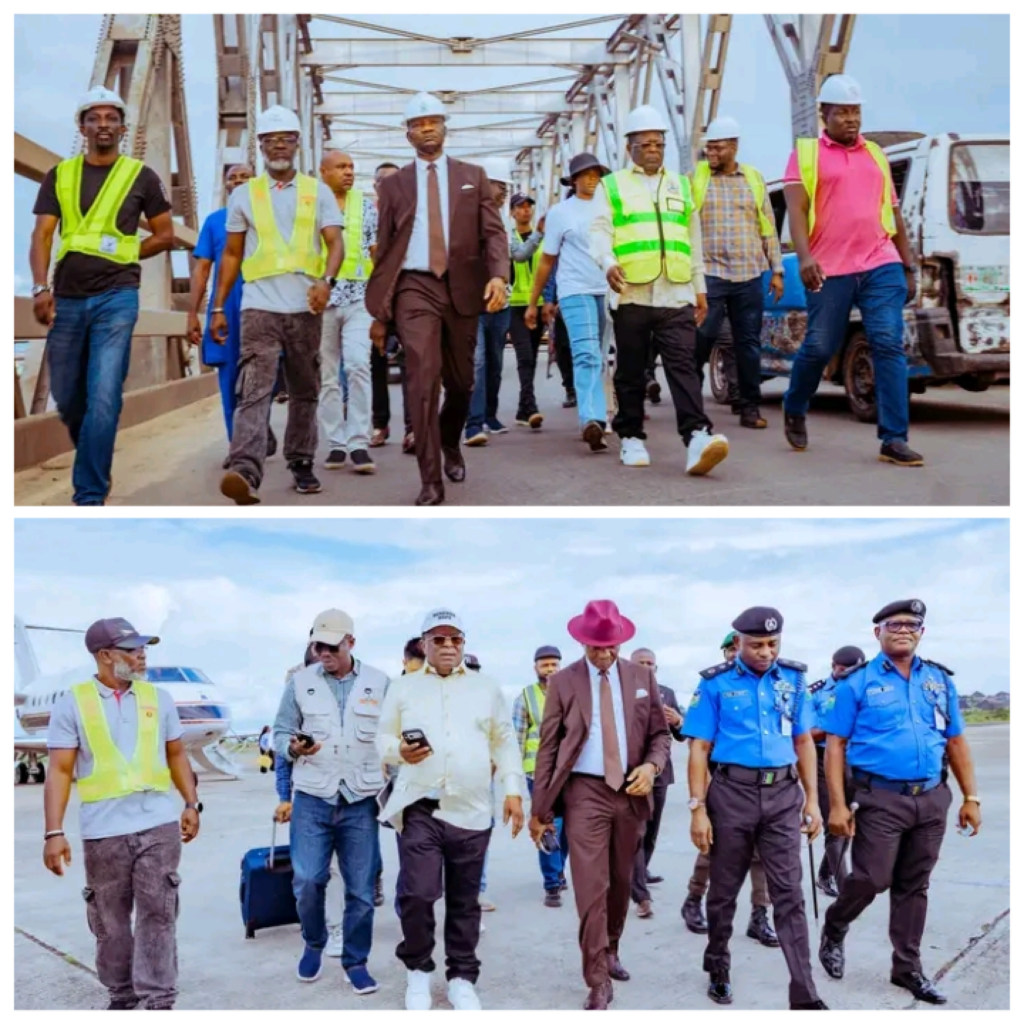
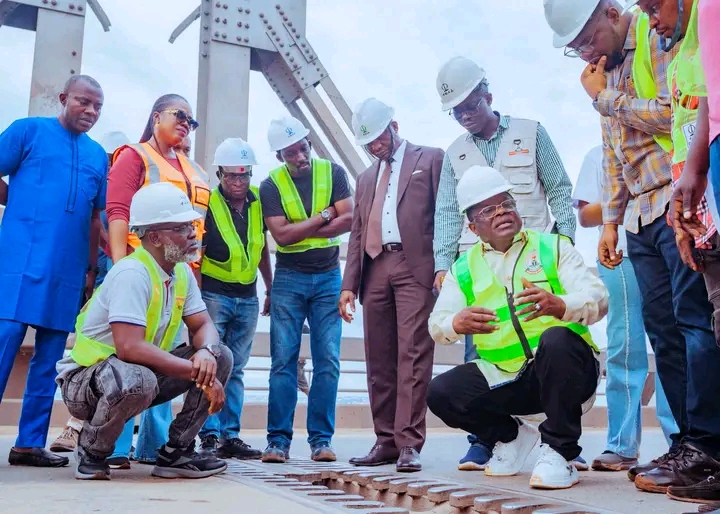
Second Niger Bridge Access Road
On the Second Niger Bridge access project, Umahi said the Federal Government was committed to completing the project to ensure that the huge investment in the bridge was not undermined by inadequate access infrastructure.
He explained that the Second Niger Bridge was particularly important given the age and vulnerability of the First Niger Bridge, which, according to him, had been in service for more than six decades.
“The essence is to use that Second Niger Bridge. Because if the First Niger Bridge collapses, the beautiful job on the Second Niger Bridge will be rendered useless,” he said.
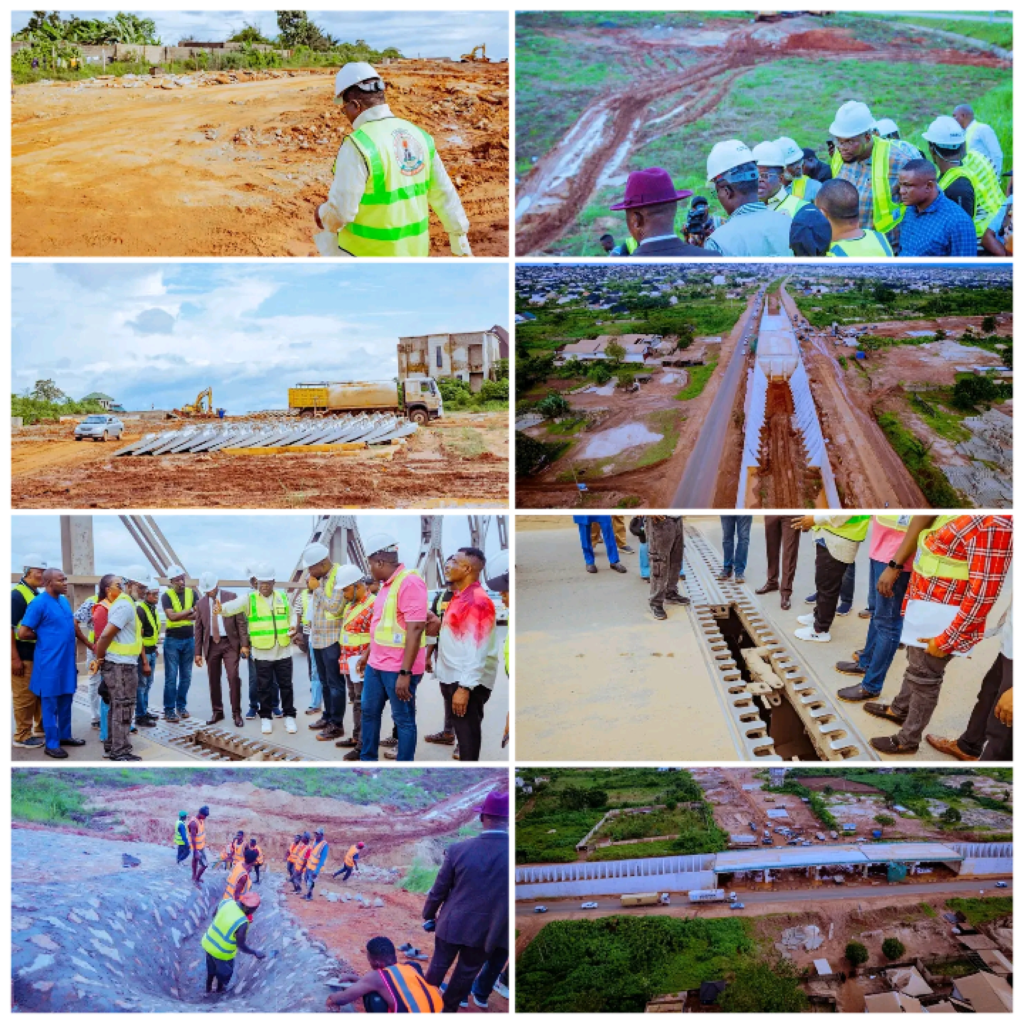
Umahi said the access road project was awarded to CCECC at a cost of about N148 billion and involved the construction of flyovers, bridges, culverts and rigid pavements.
He disclosed that the contractor had completed about 4.47 kilometres of the dual carriageway, representing approximately 26.7 per cent completion, while significant work had also been carried out on retaining walls, culverts and other structures.
The minister said although funding under the NNPC tax-credit arrangement had stopped, President Bola Ahmed Tinubu had approved an alternative funding arrangement to ensure that the project did not stop.
He therefore urged CCECC to continue with the work, assuring the contractor that it would be paid.
“I encourage you to please go ahead, you will be paid. Please go ahead, you will be paid,” Umahi said, stressing that abandoning completed structures could expose them to erosion and ultimately increase the cost to government.
He commended CCECC for the quality and pace of work on the project, describing its performance as impressive despite the funding constraints.
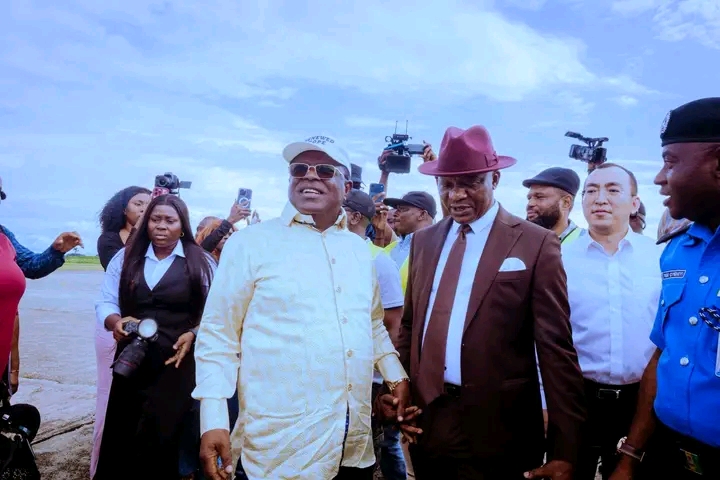
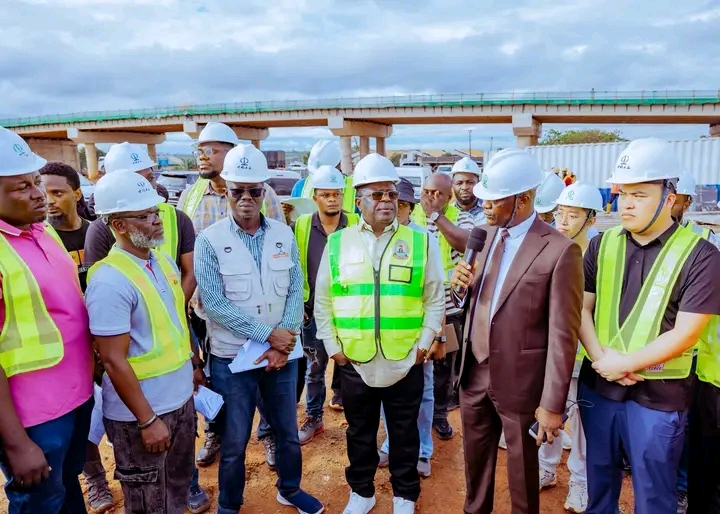
Earlier, the Delta State Commissioner for Works (Rural Roads) and Public Information, Mr Charles Aniagwu, who represented Governor Sheriff Oborevwori, commended Umahi for personally inspecting the troubled sections of the road.
Aniagwu said the condition of the federal road from Benin through Asaba to the Niger Bridge and from Benin-Warri had become a major concern to Nigerians, noting that the minister’s intervention demonstrated that the Federal Government was listening to the complaints of road users.
He said the Delta State Government had also intervened in some areas along the corridor, including the construction of a flyover around Chainage 64 to 65, while expressing hope that contractors handling other sections would accelerate their work ahead of the Yuletide.
Aniagwu said the completion of the ongoing projects would ease traffic congestion, improve movement between Delta and Edo states, and boost economic activities along the corridor.
The Director of Highways, Bridges and Design at the Federal Ministry of Works, Engr. Saidu Musa, said the Second Niger Bridge access project was awarded in March 2025 at a cost of N148 billion.
Musa said about 4.4 kilometres of dual carriageway had so far been executed, while work was progressing on retaining walls, culverts and other sections of the project.
He commended CCECC for the quality of work achieved so far, saying progress would have been significantly higher if the contractor had received adequate funding.