– By Ike Philip Abiagom
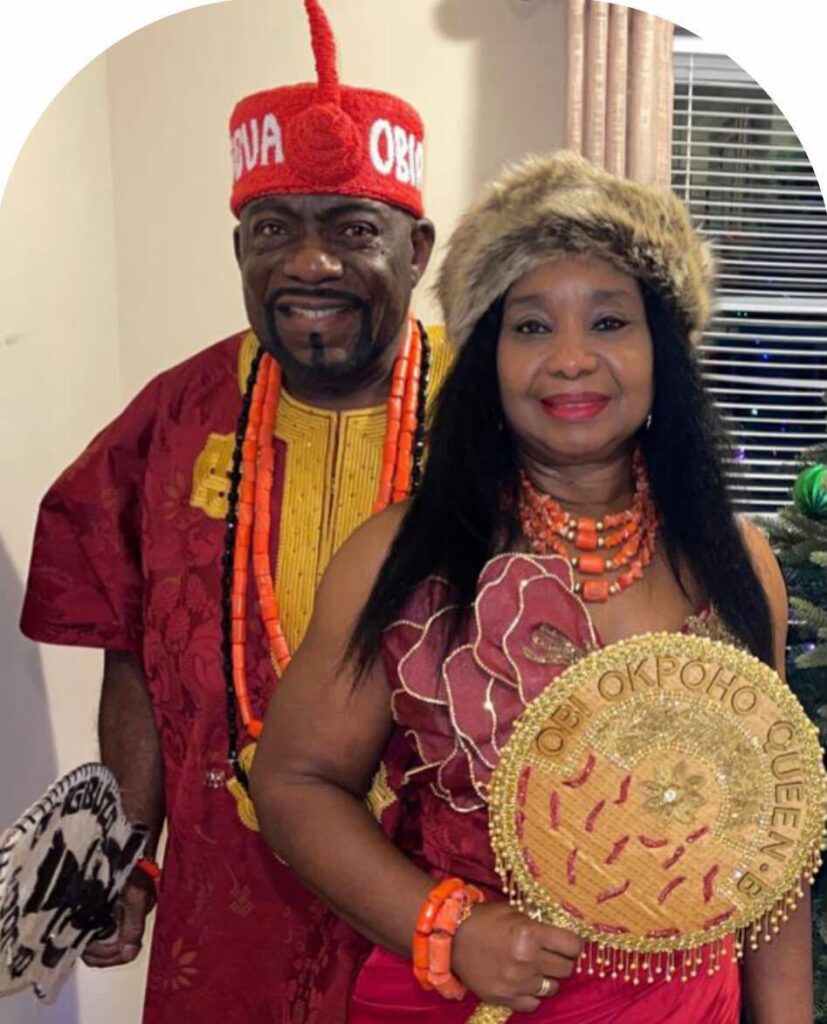
IGBUZO – The ancient kingdom of Igbuzo in Oshimili North Local Government Area of Delta State has commenced the celebration of Ifejiọku and Iwaji 2026, the revered New Yam Festival and harvest season that symbolizes thanksgiving, cultural identity, unity, and communal prosperity.
The festival officially began with Ilu Ezi Ifejiọku, a traditional community-wide sanitation and preparation exercise observed across the town’s ten Ebo, Ogbes, and Idumus. The exercise marks the beginning of one of the most important cultural events in Anioma land.
Popularly known as “Isu na Mba Ogu” (Warriors from Isu), Igbuzo occupies a prominent place in the history of Anioma and Igbo civilization. The town’s reputation for courage and resilience is reflected in the popular saying, “Isu fu ogu ju nni,” which signifies the determination and steadfastness of the people of Isu (Igbuzo).
Historically, the town was known as Igbuzo, derived from “Igbo bi na uzo” meaning “the Igbo people living along the road.” The name was later anglicized to Ibusa by early British missionaries and colonial administrators. Despite the colonial spelling, many indigenes continue to identify strongly with the original name, Igbuzo.
Speaking on the significance of the festival, Obi (Dr.) Henry Chukwuma Ajudua, President of Vebron Carre Conglomerates, USA, described Ifejiọku and Iwaji as more than a celebration of harvest and entertainment.
According to him, the season is a sacred period during which the people reconnect with their ancestors, families, kindreds, and cultural heritage while offering gratitude to God for a successful farming season.
According to the traditional calendar released by the Senior Diokpa of Igbuzo, Onowu Paul Ijeh, August 21, 2026, marked the commencement of Ilu Ezi Ifejiọku, a day dedicated to communal cleaning and the preparation of public spaces, pathways, compounds, and traditional meeting grounds ahead of the main festivities.
Obi Ajudua explained that the exercise goes beyond environmental sanitation, serving as a symbol of collective responsibility, unity, and communal pride. He noted that by preparing the community for the festival, residents are also positioning themselves to receive the blessings associated with the harvest season.
The festival underscores the central role of yam in the cultural life of the people. Beyond being a staple food, yam symbolizes hard work, endurance, dignity, abundance, and gratitude. It represents the rewards of labour and the prosperity of the land.
As preparations intensify, Obi Ajudua called on sons and daughters of Igbuzo, both at home and in the diaspora, to return and participate actively in the celebrations. He urged indigenes to reconnect with their roots, visit family members, honour elders, support youth development, and strengthen communal bonds.
He further emphasized the need for peace, discipline, and respect for traditional institutions throughout the celebration, describing the festival as an opportunity for reconciliation, healing, and renewed commitment to the values that have sustained the community for generations.
Obi Ajudua also stressed the importance of educating younger generations on the true meaning of Ifejiọku and Iwaji, noting that culture extends beyond dances and ceremonies to encompass identity, history, responsibility, and continuity.
As communities across the world struggle to preserve their heritage, Igbuzo must remain steadfast in protecting its traditions and cultural values, he stated.
The festival is expected to attract visitors, cultural enthusiasts, and indigenes from across Nigeria and the diaspora, providing an opportunity to showcase the rich heritage, customs, and enduring spirit of the people of Igbuzo.
Expressing optimism about the celebrations, the Vebron Carre Conglomerates President said Iwaji 2026 would further strengthen unity among kindreds, deepen respect for cultural institutions, and reinforce the collective identity of the community.
As the sacred season unfolds, prayers have been offered for abundant harvests, peace in homes, progress in the community, and continued prosperity for Igbuzo people wherever they may reside.
The celebrations will continue in accordance with the traditional calendar, culminating in ceremonies that honour the land, the harvest, and the enduring cultural legacy of the ancient kingdom of Igbuzo.