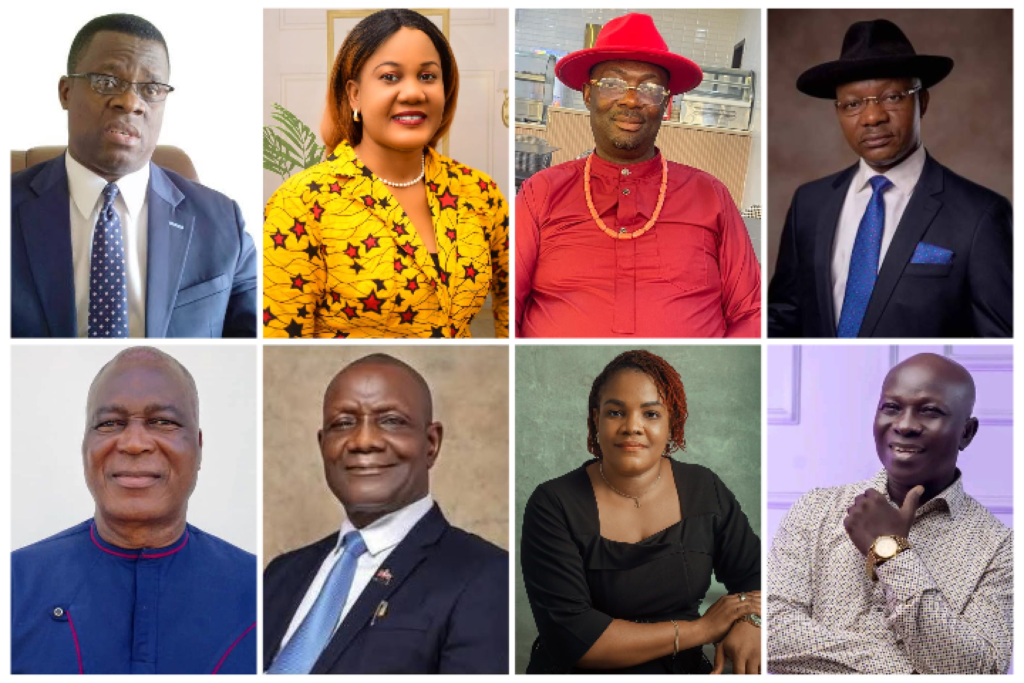
A cross-section of respected professionals in governance, law, public administration and development have been confirmed as discussants for the 2026 edition of BEL Dialogue, with Dr. (Barr.) Wilfred Latimore Oghenesivbe, JP; Dr. Egondu Grace Ikeatu; Hon. Gibson Akporhe; Amb. Augusta Chibuzor Keneboh; and Professor Andrew Agboro expected to lead discussions on democratic governance and institutional accountability.
The Secretary of the Advisory Board and Executive Director of BEL Dialogue, Emmanuel O. Enebeli, who announced the panel, said the selection reflects the organisers’ commitment to assembling accomplished professionals with extensive experience in governance, legal practice, public administration, policy advocacy and civic engagement to enrich conversations on Nigeria’s democratic future.
According to Enebeli, the discussants will examine this year’s theme, “Democracy That Works: Bridging the Gap Between Votes, Results and Institutional Accountability,” with emphasis on electoral integrity, institutional transparency, accountable leadership, citizen participation and practical reforms capable of strengthening democratic institutions ahead of the 2027 general elections.
He noted that the annual dialogue has continued to attract credible voices from different sectors, providing participants with the opportunity to exchange ideas and propose practical solutions to issues affecting governance and democratic development.
BEL Dialogue 2026 will hold on Thursday, July 30, 2026, at 11:00 a.m. at David’s Event Centre, Anwai Road (Opposite Temple Clinic Junction), Asaba.
Former Resident Electoral Commissioner of the Independent National Electoral Commission (INEC), Hon. Mike Igini, will chair the Dialogue, while the Delta State Commissioner for Works (Rural Roads) and Public Information, Hon. Charles Aniagwu, will serve as the Special Guest of Honour.
The interactive session will be moderated by veteran broadcaster and General Manager of Kruzz FM, Asaba, Mr. Lawrence Okpewho.
Enebeli expressed confidence that this year’s edition would stimulate meaningful public discourse and generate recommendations that would contribute to strengthening democratic institutions, promoting accountability and fostering responsible leadership in Nigeria.